
Home & housewares PR and marketing agency
5W Public Relations (5WPR) is a housewares PR agency for brands that equip and furnish the home. We help them earn national media coverage, build creator programs, support retail launches, and appear in the search results and AI-generated answers that influence purchase decisions.
Selected Home & Housewares Clients






Public Relations and Marketing for Modern Home Product Discovery
5W builds housewares PR campaigns around product launches, retail calendars, and seasonal buying and optimizes for conversions when consumers discover and compare home products. Housewares marketing programs combine national media outreach, product reviews, gift-guide pitching, creator partnerships, retail media, and paid digital campaigns. This work sits inside 5W's wider consumer PR practice, so home brands draw on the same editorial, creator and retail relationships as our food, beverage and beauty accounts.
Our clients results
Recognition







Our Home & Housewares Specialties
Home Goods & Home Décor
Public relations and marketing for brands that furnish and decorate the home. The Home Goods & Home Décor page carries the full category list.
Learn more about Home Goods & Home DécorKitchen & Home Appliances
Public relations and marketing for brands that equip and outfit the kitchen. The Kitchen & Home Appliances page carries the full category list.
Learn more about Kitchen & Home AppliancesIntegrated Services That Drive Visibility and Sales
Media Relations & PR
Earn national media coverage, product reviews, and high-impact editorial placements.
Creator & Influencer Marketing
Build authentic creator partnerships that generate engagement and drive demand.
Retail Launch Support
Align PR and marketing with retail calendars to maximize sell-through velocity.
Digital & Paid Media
Amplify earned visibility with targeted housewares digital marketing and paid media campaigns.
AI Visibility & Search Optimization
Improve brand presence in the search results and AI answers shoppers use to compare home products before they buy.
Client Testimonial
“A reliable team, 5W's consistent performance has inspired a long-lasting partnership. The team is communicative and transparent, and their knowledge of the client's brand makes them valuable assets. Their trustworthiness, market expertise, and consistent performance set them apart.”
Erica Chang, Director of Marketing, HUROM
Featured Case Studies
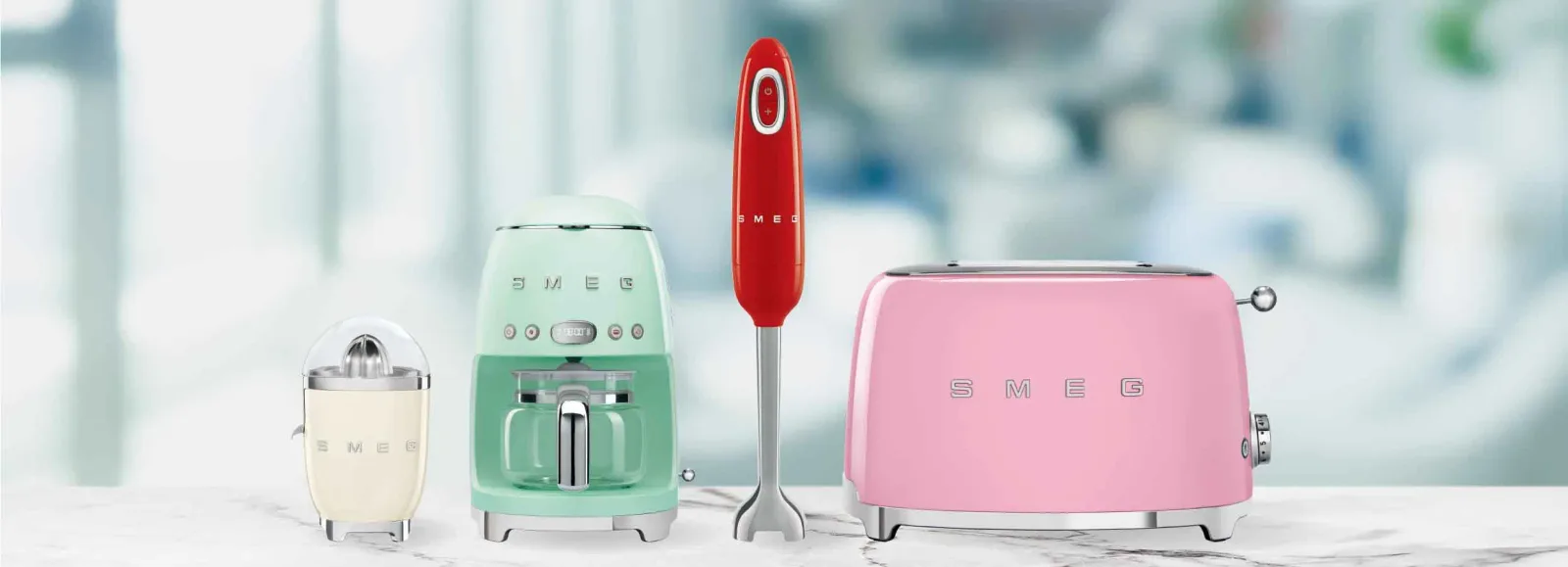
SMEG
300+ pieces of creator content, 38 million impressions, a 6.5%+ engagement rate and 60,000+ retailer clicks.
View SMEG Case Study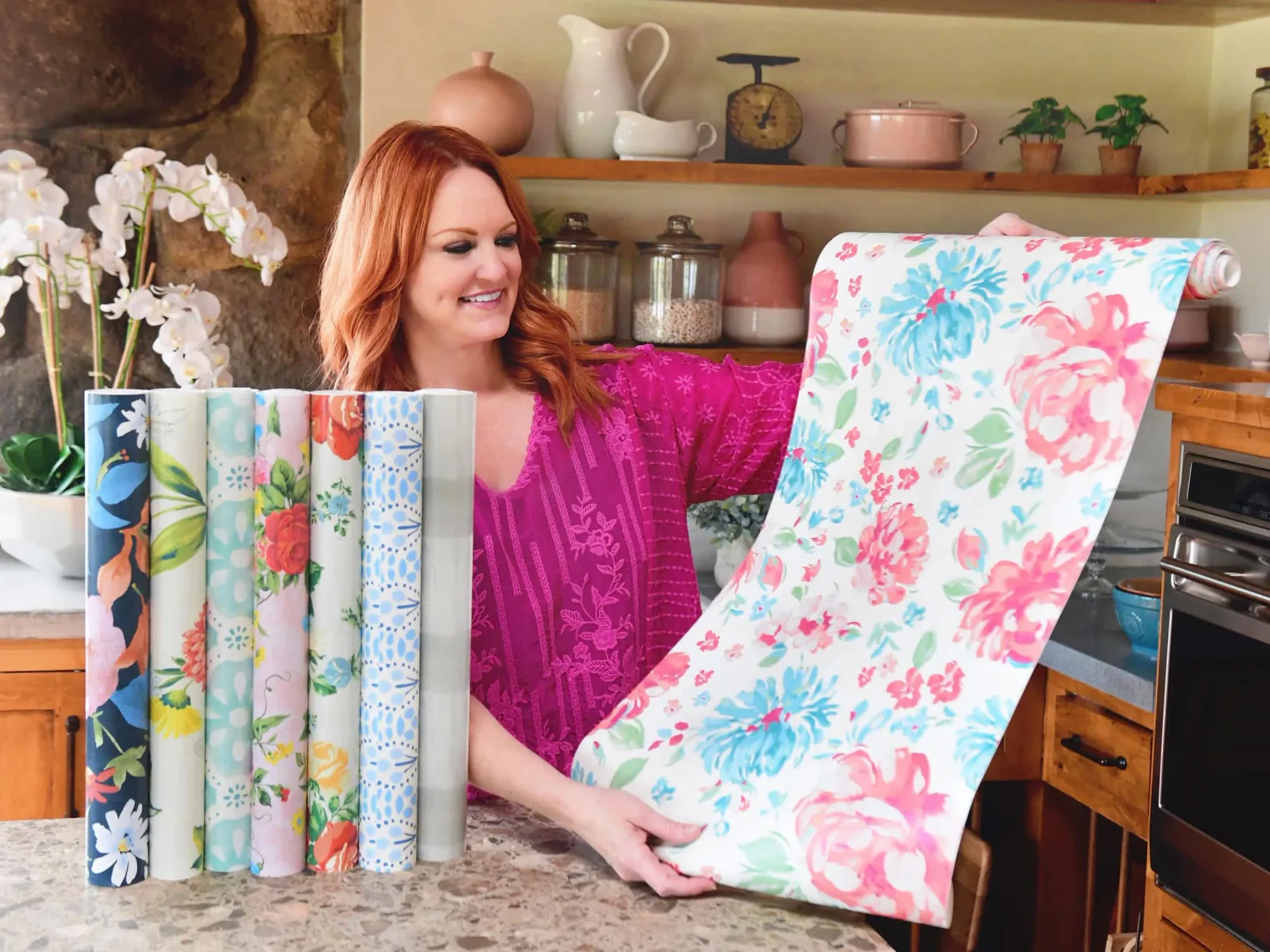
The Pioneer Woman Collection
250+ placements and 3.5 billion earned-media impressions during the first six months.
View The Pioneer Woman Collection Case Study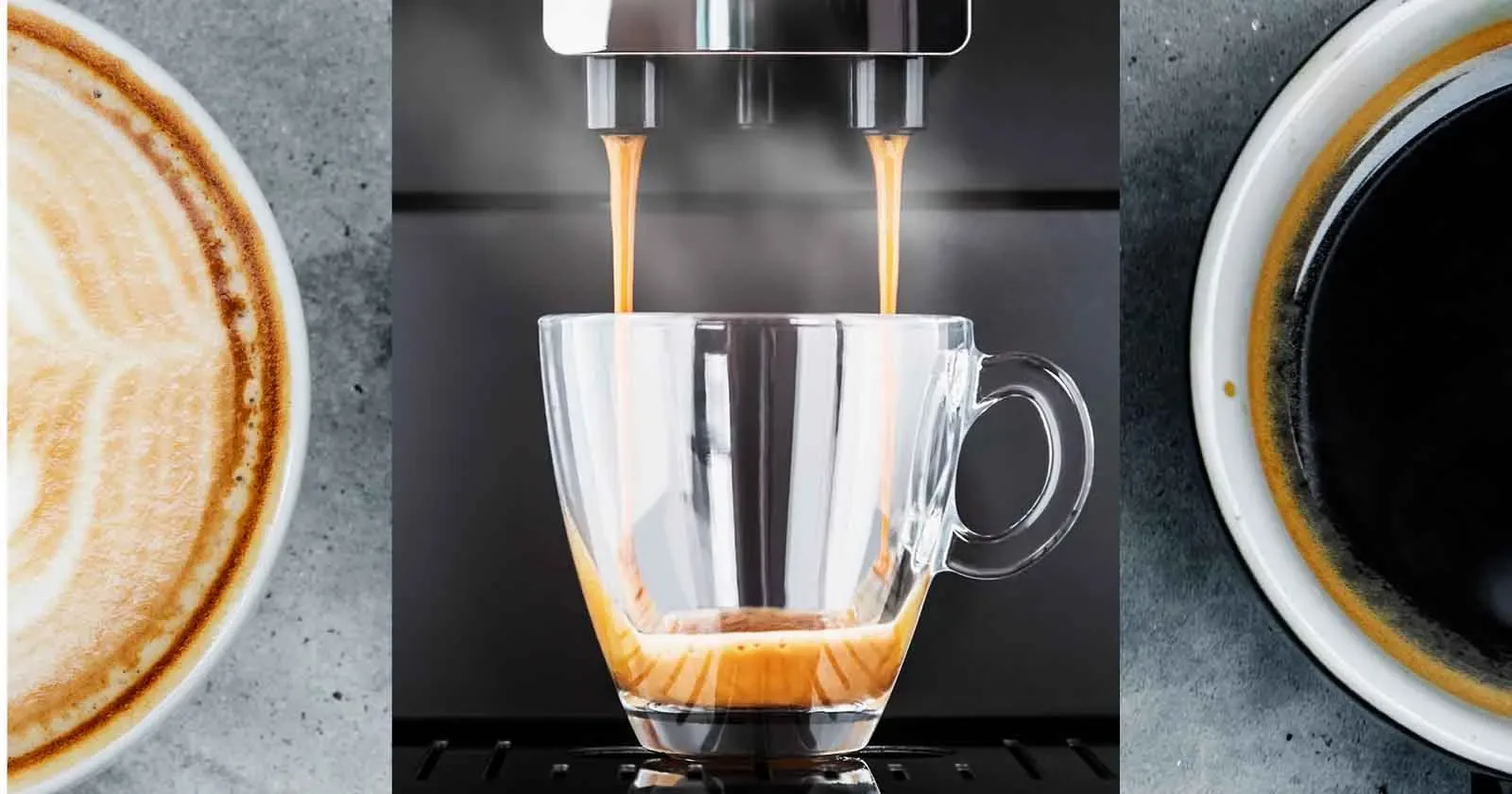
Krups
A 241% increase in average Facebook fan engagement, plus increases in likes, comments, and shares.
View Krups Case Study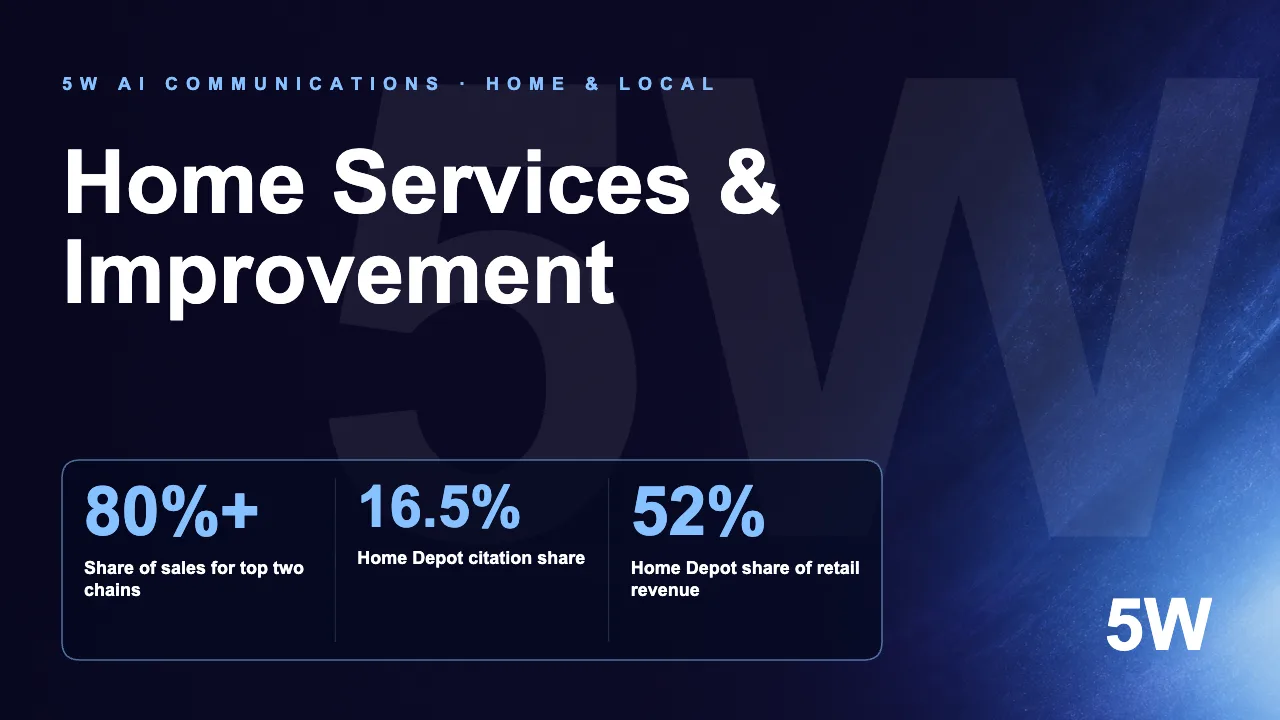
Proprietary Research
Understanding AI Visibility in Home Services & Improvement
Our Home Services & Improvement AI Visibility Index ranks the top retailers, marketplaces, and service brands that shape AI-generated recommendations in the home category. Winning visibility means owning trusted reviews, verified product and service data, and authoritative editorial coverage across every discovery platform.
Explore the Home Services & Improvement AI Visibility IndexHow 5W Measures Client Results
Establish Baseline
We establish a visibility baseline to understand your brand's current digital footprint.
Improve Visibility
We execute integrated PR and marketing to grow mentions, citations, and brand authority.
Monitor & Analyze
We monitor performance across search and AI platforms and analyze complex growth metrics.
Connect to Sales
We align visibility gains with your sales data to show real business impact.
Drive Growth
We refine strategy over time to sustain visibility and increase sell-through velocity.
FAQs
1. What does a home and housewares Public Relations (PR) agency do?
A home and housewares PR agency builds brand authority by securing strategic media placements, product reviews, and inclusion in high-intent shopping roundups. We manage the reputation and visibility of your products across both traditional editorial outlets and modern search and discovery platforms. Our goal is to ensure your brand appears everywhere your customers search for solutions, driving measurable awareness and revenue.
2. Which home and housewares categories does 5W serve?
5W supports a wide spectrum of the home industry, from the kitchen through to furnishings and textiles, plus cleaning products and connected-home devices. Whether you are an established legacy manufacturer, a direct-to-consumer disruptor, or launching a new retail collection, we apply deep category-specific expertise to your product mix.
3. Can 5W support product and retail launches?
Yes. We specialize in aligning high-impact PR campaigns with critical retail launch calendars to maximize market penetration. Our team synchronizes media pitching, influencer seeding, and digital support to ensure your product makes noise the moment it hits shelves or e-commerce sites. We help brands navigate the complexity of mass-market rollouts and boutique launches, directly contributing to sell-through velocity during key windows.
4. How does 5W combine PR, creators, and digital marketing?
We build integrated campaigns that bridge the gap between earned media and performance marketing. In practice that means a housewares digital marketing plan built on the same product claims, imagery and retail links as the earned media program, so a review placement, a creator video and a paid search ad all point to the same product page. By combining national media relations with end-to-end creator programs, we ensure that both credible editorial coverage and authentic social content showcase your products. We then amplify this earned visibility through targeted digital campaigns to reach consumers at every step of their journey, driving trackable conversions.
5. How does 5W measure a home-brand campaign?
We measure campaign success by tracking your brand's digital footprint and its performance in search and AI-driven recommendation engines. Housewares marketing reporting also ties those visibility gains to retailer clicks and sell-through, using the baseline, monitoring and sales-connection steps set out above. We establish a visibility baseline for your brand and monitor complex growth metrics, including media mentions, authoritative citations, and AI brand mentions and shares. By aligning these visibility gains with your internal sales data, we demonstrate the direct correlation between PR coverage, brand authority, and retail sell-through.
Talk to 5W
Tell us about your product, retail launch, or growth and visibility goals.
A senior 5W strategist will respond within one business day.