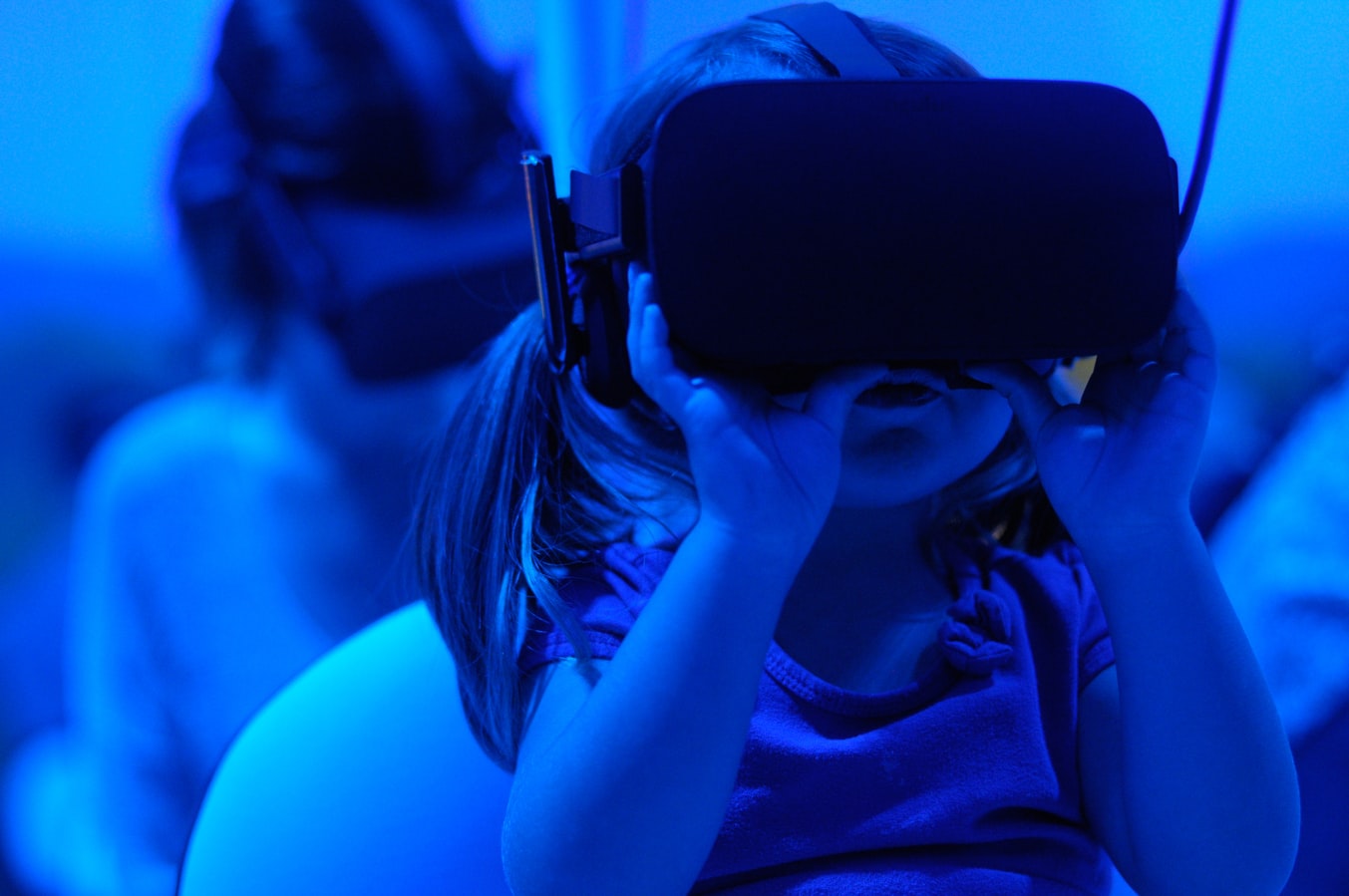
Virtual Reality (VR)
Often referred to as immersive media, or computer-simulated reality, VR seeks to replicate an environment that allows a user to imagine a physical presence in real-world, or imagined, places. In practice, VR has come to be understood as an umbrella term for all immersive experiences: whether made up of entirely real-world content, digitally manufactured scenes, or a hybrid of both. Danish company Velux has used VR to help give consumers an idea of “what could be”; by showing how a room can look with a roof window, Velux drove home the impact of their solutions in a way that a purely real-world approach might not be able to do.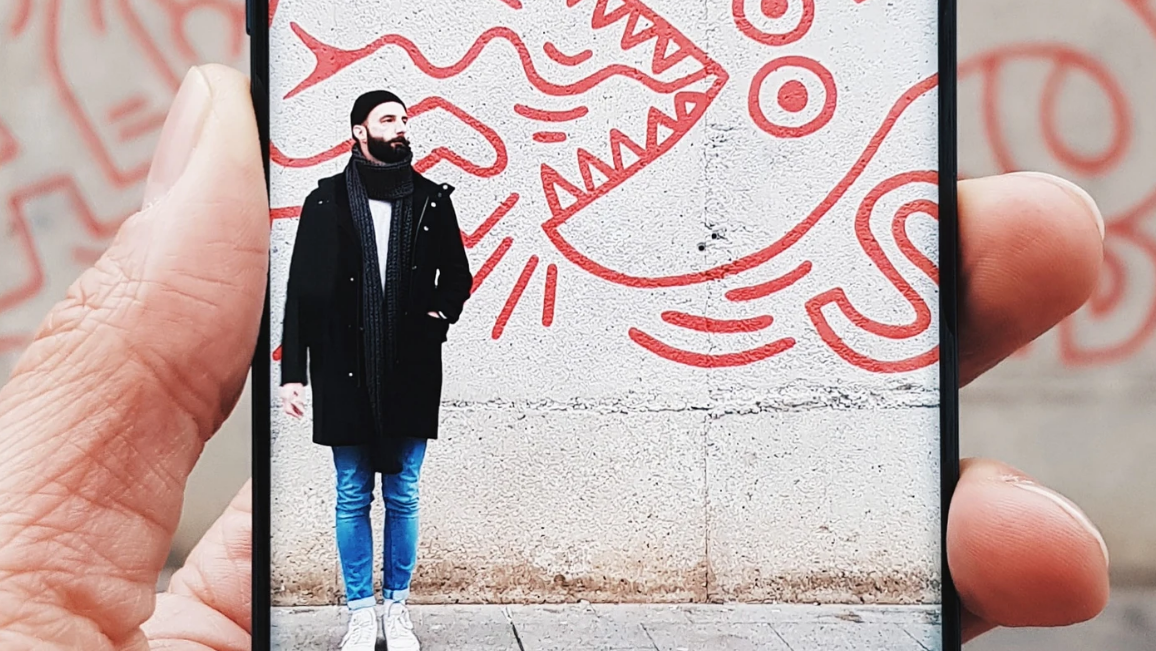
Augmented Reality (AR)
Augmented reality involves the overlay of digital information on real-world elements. Ever heard of Pokemon GO? Of course you have: the game took the world by storm in 2016, and opened the eyes of marketers everywhere to the potential of this technology. AR makes the real world the central part of the story, enhanced by other digital layers- like layering new strata of perception, and digitally building on the reality or environment. IKEA has developed a table as part of a concept kitchen, allowing users to turn the pages of a recipe book left on the bench, or play with a cup of IKEA’s infamous wooden pencil stubs.