
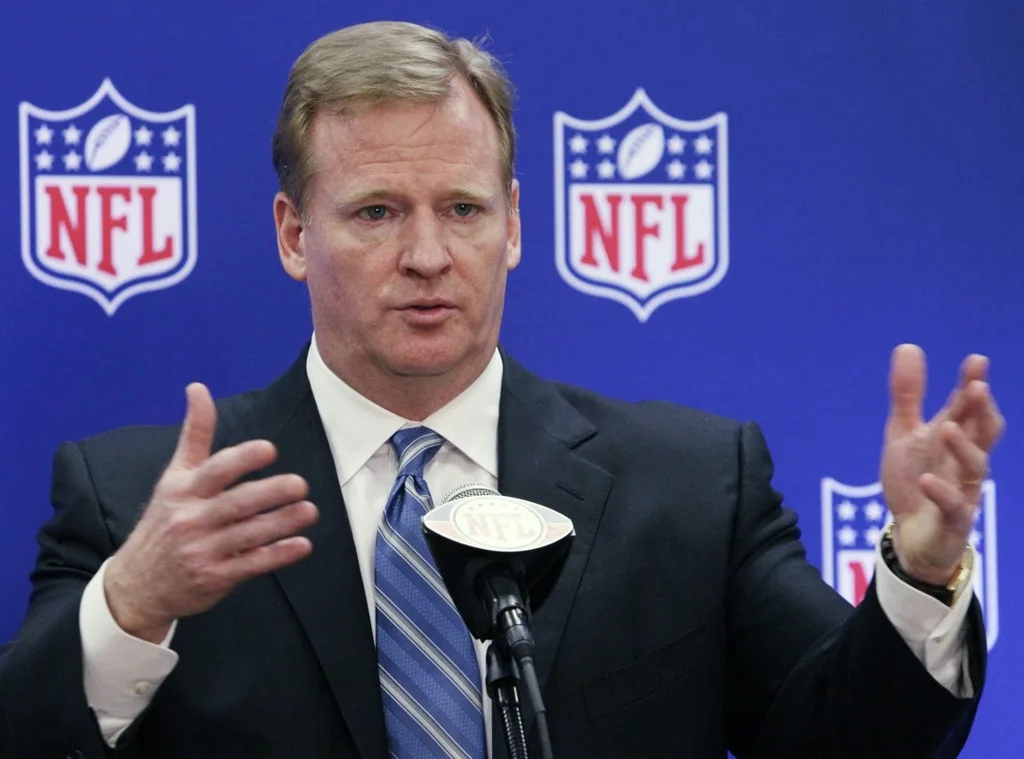
- Accept Blame. Until recently, it seemed as though the NFL was unwilling to publicly state that retired NFL players were suffering from brain damage due to the number of hits they’d taken as a professional. When Jonathan Martin abruptly left the Miami Dolphins due to alleged extreme bullying, many players and NFL personnel were quick to point out that this was an isolated situation and that it was “part of the game.” Incognito himself even stated that it was common locker-room culture. Players continue to get arrested for drugs, physical abuse crimes, and other legal infractions ranging from smoking marijuana to committing murder, yet teams and the league are quick to just distance themselves from these players. It’s time the NFL stopped absolving themselves of blame or ignoring the elephant in the room and started acknowledging the behavioral issues surrounding their sport and its players.
- Address the problem(s). After accepting blame, it’s time for the NFL to effectively address the problems head on. Many of the processes that have been put in place to resolve the aforementioned issues, such as player hotlines to report bullying, are merely for show and to cover the league when things go wrong. Rather than be strictly reactive, it may be time for the NFL to put some measure in place to get out in front of these issues. Whether or not that means adding multiple staff psychologists per team, creating frequent mandatory workshops to address locker room culture, or providing continued education on ways to handle the health problems inherent to being a professional football player, additional efforts need to be made to support the mental and physical health of the league’s players and staff. The league did $9.5 billion in revenue in 2012 – the resources are there.
- Communicate quickly and transparently. When Aaron Hernandez was arrested for shooting and killing his friend, it took days before the NFL and the Patriots made a clear statement. Even worse, some of the early quotes didn’t mention the victim or what had happened -- "I've seen a lot of things over 13 years," Tom Brady told Peter King of Sports Illustrated, "and what I have learned is that mental toughness and putting aside personal agendas for what's in the best interest of the team matters most … I have moved on. I'm focusing on the great teammates I have who are committed to helping us win games. The only thing I care about is winning. Nothing is going to ever get in the way of that goal." The league needs to react faster and open lines of communication -- perhaps additional crisis communications training and a more upfront attitude would be more beneficial than canned, vague statements.
- Lead by example. The NFL may say that it is committed to addressing the concussion problem, but its actions don’t indicate anything of the sort. The league has been rumored to be considering a longer schedule with additional games, which reduces the offseason for rest and conditioning. This season, they’ve implemented weekly Thursday games, again reducing the rest period for players and putting them back on the field in a dangerous sport with only three days’ rest, which often includes travel. Fans and players needs to know that if the NFL says they are going to make changes for the betterment of the league and it’s players, that they mean it.
Crisis PR · Published November 21, 2013
NFL’s Public Relations Problem
Tags
- communications
- 5wpr
- Public Relations
- Ronn Torossian
- 5w public relations
- PR
- crisis communications



Get in touch
Let's build your next chapter.
Tell us what you're working on. A senior strategist will respond within one business day.
- info@5wpr.com
- Phone
- 212.999.5585
- Address
- 469 7th Avenue, Floor 8, New York, NY 10018